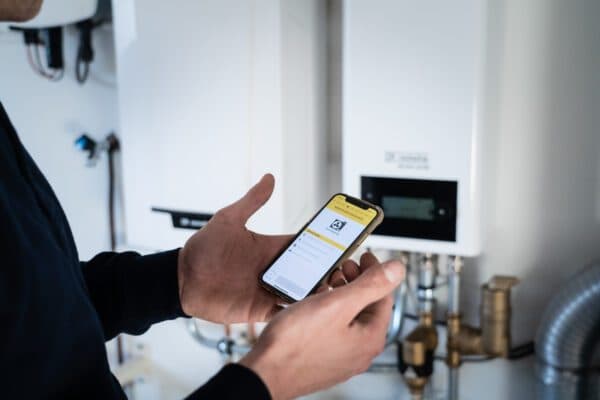
The wider adoption of heat pumps is progressing more slowly than hoped. A key reason lies in the cost: when calculated over their full lifespan, both standard and hybrid heat pumps remain more expensive for many households than simply replacing an existing boiler. As long as this financial hurdle exists, choosing a sustainable heating solution remains a difficult decision for a large share of consumers.
Mapping the barriers
Collaborating installers want to tackle these obstacles head-on. They point out that it is not only the purchase price that matters, but also installation costs, maintenance and the energy costs incurred throughout the system's use. Together, these factors determine whether a heat pump is attractive compared to a conventional boiler.
Key points of attention include:
- Investment costs: the purchase and installation require a significantly higher upfront sum.
- Maintenance and operation: ongoing costs over the years weigh into the total bill.
- Predictability: uncertainty around subsidies and energy prices makes the payback period hard to calculate.
Relevance for the construction sector
For the construction and installation industry, this issue carries significant weight. Making the built environment more sustainable is high on the agenda, and heat pumps play a central role in that effort. If costs remain an obstacle for end users, the broader climate ambitions come under pressure as well.
Installers stress that a combination of measures is needed: clear support, better coordination between manufacturers and installation partners, and greater transparency about the actual costs involved. This would make the transition to sustainable heating more attractive and accessible for households.
The message is clear: only when the lifetime costs of heat pumps come close to those of a boiler replacement will large-scale adoption truly gain momentum.